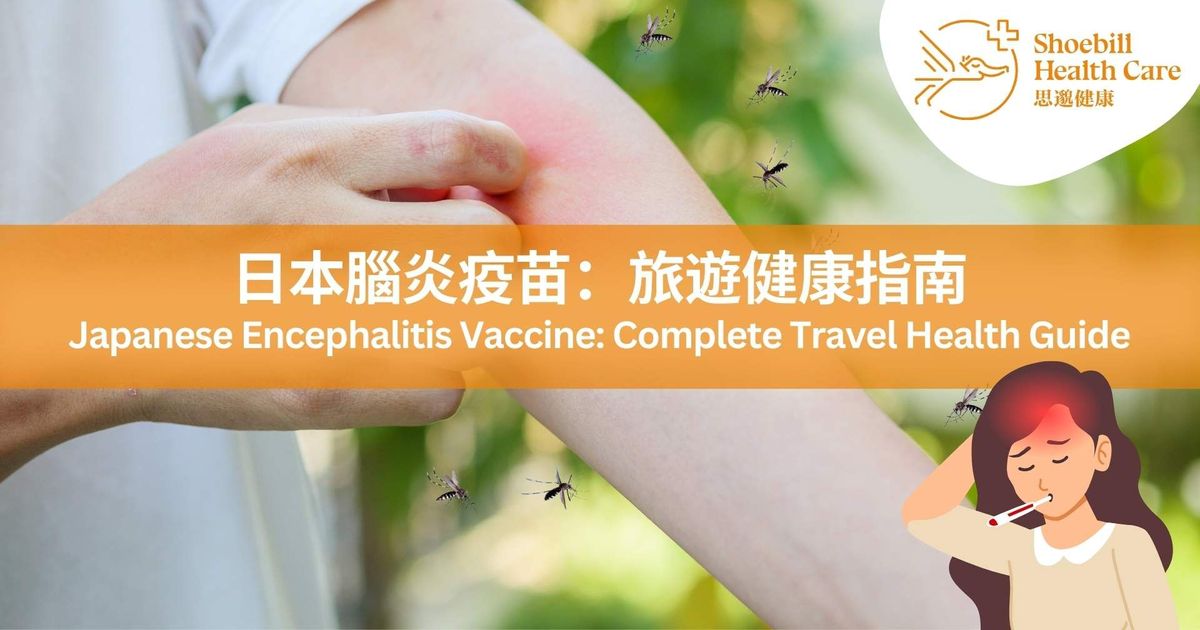
As international travel continues to be a regular part of life for many, travellers are increasingly exploring destinations across Asia and the Western Pacific. However, one critical aspect of travel health that is often overlooked is protection against Japanese Encephalitis (JE). Reflecting on current search trends, we find that many travellers have questions about this vaccine. This article provides insights from a travel health perspective to address these common concerns.
What is Japanese Encephalitis?
Japanese Encephalitis is an acute infectious disease caused by the Japanese Encephalitis virus. It is primarily transmitted through the bite of infected mosquitoes, specifically Culex tritaeniorhynchus. The disease is most commonly found in rural and agricultural areas across Asia and the Western Pacific, including Japan, Taiwan, South Korea, Thailand, and Vietnam.
Knowing the Risks: Symptoms and Consequences
Most infected individuals show no symptoms, but about 1 in 250 people may develop severe symptoms, including:
- Sudden high fever, headache, and vomiting
- Neck stiffness and confusion
- Seizures (more common in children) and speech difficulties
- Coma or paralysis in serious cases
Children and the elderly are more vulnerable to severe complications, which can sometimes lead to permanent neurological damage.
Severe Outcomes:
- Death rate: 20–30%
- Among survivors, approximately 30–50% may experience long-term effects such as:
- Neurological impairments (e.g. seizures)
- Cognitive issues (e.g. speech disorders)
- Physical disabilities (e.g. paralysis)
While most infections are mild, the consequences can be serious once encephalitis (inflammation of the brain) develops. We recommend travellers to high-risk areas plan ahead for prevention and vaccination.
Japanese Encephalitis Vaccine Options and Schedule
In Hong Kong, the available JE vaccine is the live attenuated Imojev (Substipharm). Below are the recommended vaccination schedule:
| Group | Primary Dose | Booster Recommendation |
|---|---|---|
| 9 months–17 years | One dose (subcutaneous) | A booster is recommended 12–24 months after the primary dose |
| 18 years and above | One dose (subcutaneous) | Generally not required |
Important Notes:
- Infants and young children travelling to high-risk areas should consult in advance.
- Individuals with weakened immune systems should be assessed for suitable vaccine options.
- Mosquito prevention remains essential even after vaccination.
Frequently Asked Questions
“I’m only staying in cities. Do I still need the vaccine?”
If your itinerary is limited to urban areas with air-conditioned accommodations and good mosquito protection, the risk is relatively low. However, if you plan to visit suburban attractions, temples, parks, or travel during the rainy season, vaccination is recommended for added protection.
“What are the side effects of the vaccine?”
Most people experience only mild reactions, such as redness or swelling at the injection site, low-grade fever, or tiredness, which usually subside within 1–2 days. Severe allergic reactions are very rare.
“How much does it cost, and where can I get vaccinated?”
Shoebill Health Care offers Japanese Encephalitis vaccination. For detailed information on vaccine availability and pricing, please visit our Vaccine Information Page. To book an appointment, you can use our Online Booking System.
Our Recommendations
1. Personalized Risk Assessment is Key
We provide tailored advice based on your destination, itinerary, duration of stay, and personal health profile. For example:
- A countryside experience in Okinawa vs. city shopping in Tokyo
- Travelling to northern Thailand during the rainy season vs. visiting Bangkok in the dry season
- Family travel with children vs. solo backpacking Each scenario requires a different risk assessment.
2. Dual Protection: Vaccination + Mosquito Prevention
Even after vaccination, you should still take mosquito precautions in risk areas:
- Use insect repellent containing Picaridin or DEET
- Be especially vigilant from dusk to dawn
- Stay in accommodation with mosquito screens or nets
3. Comprehensive Travel Health Planning
Japanese Encephalitis is just one aspect of travel health. We also recommend reviewing:
- Other recommended vaccines for your destination (e.g. measles, typhoid)
- A well-prepared travel medication kit
Conclusion: Travel with Peace of Mind, Starting with Health Preparation
As travel options continue to expand, so should our approach to health preparation. Vaccination against Japanese Encephalitis isn’t just a yes-or-no decision—it’s a health investment that should be carefully planned according to your itinerary. We recommend that travellers to JE risk areas schedule their vaccination at least two weeks before departure.
If you would like to book a vaccination appointment, please visit our Online Booking Page to arrange an appointment. Wishing you safe and enjoyable travels.