
Why is blood glucose monitoring important?
For individuals at risk of diabetes or those already diagnosed, regular blood glucose monitoring helps you understand daily glucose patterns and trends. This allows for better disease control and helps prevent complications:
- Low blood sugar (Hypoglycaemia): dizziness, sweating, rapid heartbeat, confusion, and in severe cases, loss of consciousness
- High blood sugar (Hyperglycaemia): long-term damage to the eyes, kidneys, nerves, and cardiovascular system
Reference Blood Glucose Levels (mmol/L)
According to the American Diabetes Association 2010 Position Statement, the diagnostic criteria for different time points are as follows:
| Time | Normal | Impaired Fasting Glucose (IFG) | Impaired Glucose Tolerance (IGT) | Diabetes Mellitus (DM) |
|---|---|---|---|---|
| 0 min (Fasting) | < 5.6 | 5.6 – 6.9 | – | ≥ 7.0 |
| 120 min (Post-meal) | < 7.8 | – | 7.8 – 11.0 | ≥ 11.1 |
Source: American Diabetes Association 2010 Position Statement
Reference: Bergman M, Abdul-Ghani M, Chan J, Schmidt MI, Ha J, Kim SS, Sherman AS, Jagannathan R, Tuomilehto J. Staging schema for early diagnosis of prediabetes. The Lancet Diabetes & Endocrinology 2024; 12: 873–876.
Sensor Glucose vs Finger-Prick Testing
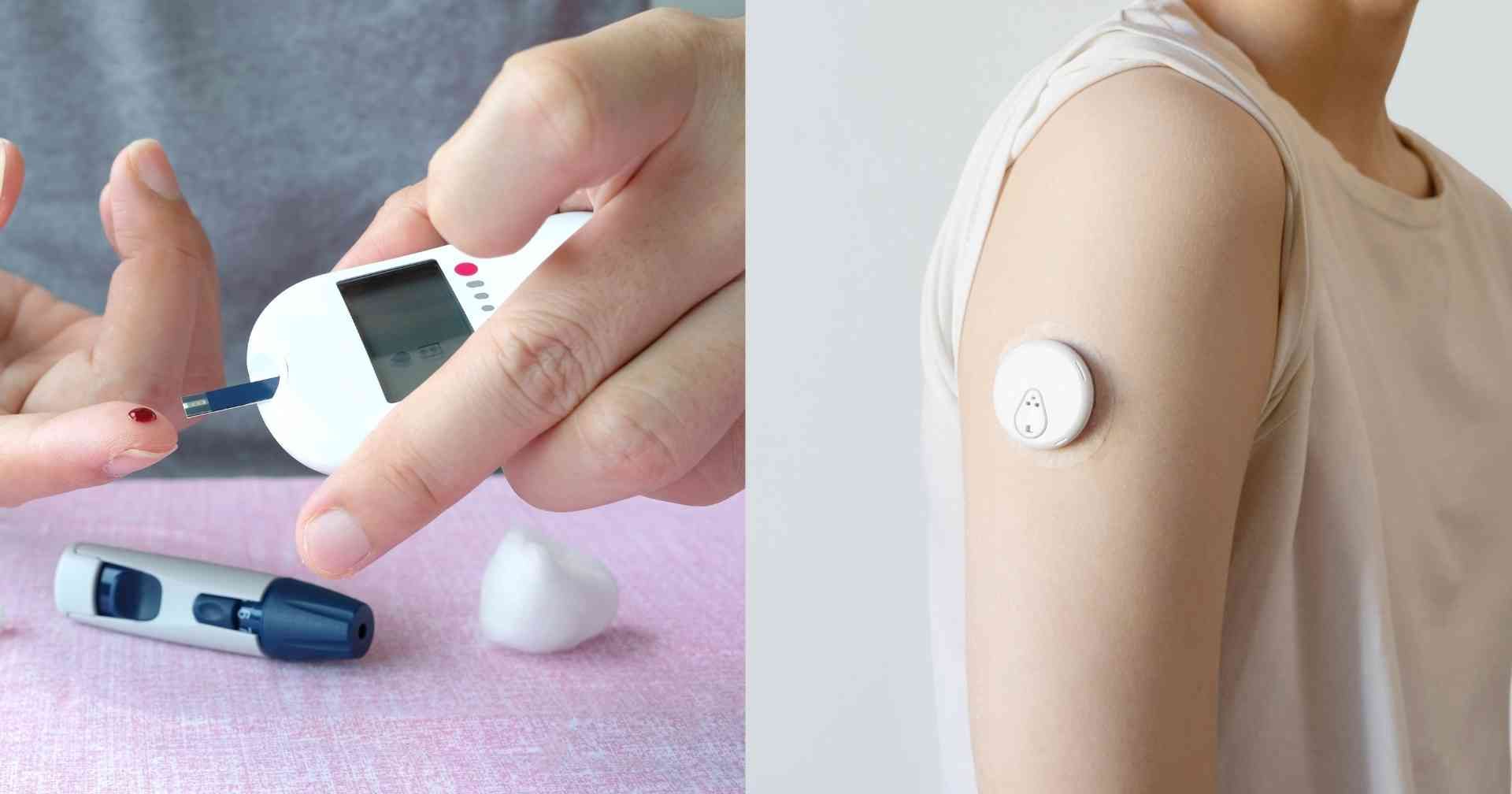
Readings from traditional finger-prick testing and CGM sensors are not identical, as they measure glucose from different sources:
Traditional Glucose Meter (Finger-Prick)
- Measures glucose in blood (capillary)
- Requires finger-prick sampling
- Provides a single-point reading
- Requires test strips, lancets, and a meter
CGM (Continuous Glucose Monitoring)
- Measures glucose in interstitial fluid (ISF) (Typically has a 5–10 minute delay, but reliably reflects trends)
- No frequent finger-pricking required, more comfortable
- Automatically records glucose every minute
- Real-time data available via smartphone
Benefits of CGM: Stay in Control
- Clearly observe post-meal glucose spikes
- Detect night-time hypoglycaemia
- Gain insights into how diet, exercise, and lifestyle affect your glucose
How to Use CGM Effectively
Blood sugar management is not just about numbers—it's about understanding your body and making informed changes. CGM helps you improve your lifestyle:
1. Visualise Eating Habits
Food sequence and smaller meals help reduce post-meal spikes and stabilise glucose levels:
- Eat in order: vegetables → protein → carbohydrates
- Avoid large meals; consider smaller, more frequent meals
2. Identify Your Personal "Glucose Triggers"
Use data to understand:
- Which foods cause spikes
- Effects of exercise
- Impact of stress and sleep
3. Focus on "Time in Range"
- Don't rely on single readings
- Pay attention to how long your glucose stays within the target range
Which Monitoring Method Should You Choose?
Both methods have their advantages:
| Monitoring Method | Advantages |
|---|---|
| Finger-prick testing | Accurate, cost-effective, suitable for spot checks |
| CGM | Provides continuous trends, ideal for proactive glucose management |
Common CGM Options:
- FreeStyle Libre 2 (Abbott) : well-established, reliable system
- iCan i3 (Sinocare) : more affordable, suitable for beginners or regular use
Choosing the Right Option
Consider the following factors:
- Your treatment plan
- Lifestyle and routine
- Budget and user preference
No matter which method you choose, each has its pros and limitations. It is recommended to consult healthcare professionals to determine the most suitable blood glucose management plan for you.